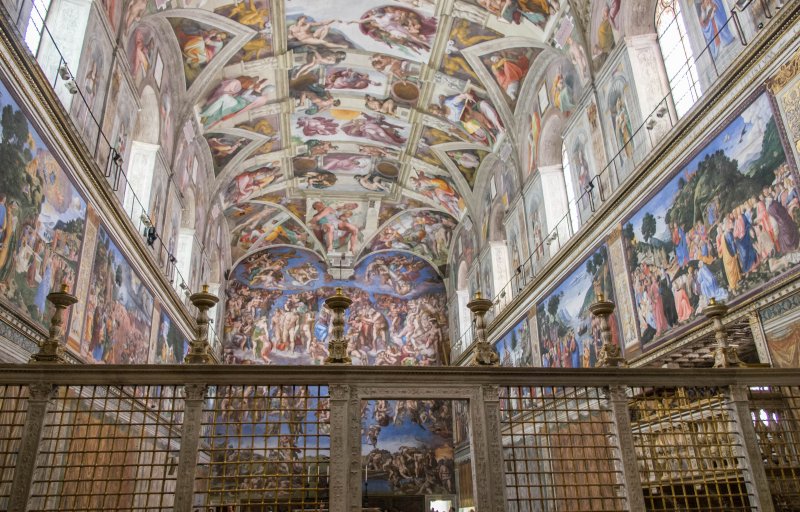
 Antoine Taveneaux, CC BY-SA
Sistine Chapel: tickets, opening hours and what to see
Visitors reach the Sistine Chapel through the Vatican Museums, with the museums’ ticket, valid on the day it is issued. Inside, photos, filming and phones are forbidden, and silence is requested.
In short
- There is no separate ticket: you reach the chapel through the Vatican Museums, on their ticket, valid on the day it is issued.
- Inside, photos, filming and phones are forbidden, and visitors are asked to keep absolute silence.
- Read up on the ceiling and the altar wall before going in, since you cannot talk about them inside.
- The vault is Michelangelo’s, painted between 1508 and 1512. He came back for the Last Judgement from 1536 to 1541.
- The side walls carry the Stories of Moses and of Christ, painted by Perugino, Botticelli, Ghirlandaio and Rosselli.
- 40 × 13 mpainted area of the ceiling, about
- 9Genesis scenes along the center of the vault
- 12prophets and sibyls on painted thrones
- 1483Sixtus IV consecrates the chapel
Don't miss
The Creation of Adam
One of the nine Genesis panels along the center of the vault, between the Creation and the Flood.
Jonah above the altar
Among the seven prophets and five sibyls on their thrones, Jonah is the one over the altar wall.
St. Bartholomew’s skin
In the Last Judgement, the saint holds his own skin, usually read as Michelangelo’s self-portrait.
Charon and Minos
At the bottom of the altar wall, Charon unloads his boat before Minos, a scene taken from Dante.
The Handing over of the Keys
On the north wall, Perugino’s panel of Christ giving Peter the keys.
Sistine Chapel tickets: how to get them
No separate ticket: the visit is made with a Vatican Museums ticket.
Sold by tickets.museivaticani.va, at the official price.
| Ticket | Adult | Good to know |
|---|---|---|
| Entry ticket (without online booking)Standard entry | €20Student €10 | |
| Entry ticket with Skip the Line bookingSkip-the-line | €20Student €10 | + €5 if booked in advance · Booking required |
Free entry (2026)
- Last Sunday of the month (next: Sunday 29 November)
- Visitors with disability and one companion
Your visit, step by step
Entrance wall
The marble screen
As you walk in, it divides the chapel in two, with the cantoria by the same sculptors.
Center of the vault
The nine Genesis panels
Read them from the Creation to the Flood. The Creation of Adam is among them.
Lower vault
Prophets and sibyls on thrones
Seven prophets and five sibyls. Jonah sits above the altar.
Altar wall
The Last Judgement, top to bottom
From the angels with the Passion instruments down to Charon and Minos.
Side walls
Moses facing Christ
Keep the two cycles for last, with Perugino’s Handing over of the Keys on the north wall.
Getting in: a Vatican Museums ticket
The chapel stands in the Apostolic Palace, directly north of St. Peter’s Basilica, and tourists enter it through the Vatican Museums.
The chapel has no façade of its own. Its entrance has always been through rooms inside the palace, and from outside it can only be seen from nearby windows and light-wells.
No separate ticket
There is no separate ticket: the museums’ entry ticket covers the museums and the Sistine Chapel, on the day it is issued. How to buy it, which reductions apply and what the dress code requires are set out on the Vatican Museums page.
Silence, and what to know before going in
The rules inside, from phones to absolute silence, are listed under “Before you go”, and the Vatican Museums page describes the briefing guided groups get before they enter.
The useful point here is to read about the ceiling and the altar wall beforehand, because you will not be able to talk about them inside.
Two things to notice as you walk in:
- The room’s proportions follow a rule: the length divided by three gives the width, and by two the height.
- A marble screen by Mino da Fiesole, Andrea Bregno and Giovanni Dalmata divides the chapel in two. The same sculptors made the cantoria, the projecting choir gallery.
Who painted what, and in which order
Three campaigns made the chapel you see.
- 1481 to 1482 the walls. Sixtus IV della Rovere, who gave the chapel its name, had the old Cappella Magna restored between 1477 and 1480. A team made up at first of Pietro Perugino, Sandro Botticelli, Domenico Ghirlandaio and Cosimo Rosselli painted the Stories of Moses, the Stories of Christ, the portraits of popes and the painted drapes below. Sixtus IV consecrated the chapel on 15 August 1483.
- 1508 to 1512 the ceiling. His nephew Julius II gave the vault to Michelangelo. The ceiling then was a starry sky by Pier Matteo d’Amelia, damaged after a long crack opened in May 1504. Michelangelo’s first contract foresaw twelve apostles and ornaments. He found the plan a “poor thing” and was given a free hand.
- 1536 to 1541 the altar wall. Michelangelo returned to paint the Last Judgement, which cost an altarpiece by Perugino and the first scene of each wall cycle.
The frescoes were restored completely between 1979 and 1999. The chapel is also where the cardinals meet in conclave to elect a pope.
The ceiling: nine scenes from Genesis
Look up and read the vault in three bands, from the center outward:
- Along the center: Nine panels tell the Book of Genesis, from the Creation to the Fall and the Flood, with Noah’s family. The Creation of Adam is among them. Michelangelo set them in a painted architecture, with nude figures at their sides holding medallions.
- On the thrones: Lower down, on thrones, sit seven prophets and five sibyls. The prophet Jonah is the one above the altar.
- Corners and windows: In the four corners, the pendentives show episodes of the miraculous salvation of Israel, and in the spandrels and lunettes above the windows are the Ancestors of Christ.
The painted area measures about 40 by 13 meters.
Reading the ceiling in time
One date helps you read it: Michelangelo finished the first half, from the entrance wall to the Creation of Eve, in August 1510, and the rest by the end of October 1512.
The Last Judgement on the altar wall
Christ is at the center, in the moment before the verdict, with the Virgin turning her head beside him. Around them, saints carry the signs that identify them:
- St. Peter with two keys
- St. Laurence with the gridiron
- St. Bartholomew holding his own skin, usually read as a self-portrait of Michelangelo
- St. Catherine of Alexandria with the wheel.
Then read the wall from top to bottom:
- In the two lunettes at the top, angels carry the instruments of the Passion.
- Lower in the center, angels blow long trumpets to wake the dead.
- The risen climb toward heaven on the left. On the right, the damned fall.
- At the bottom, Charon unloads his boat before Minos, wrapped in a serpent, an image drawn from Dante.
The nudes drew violent reactions from contemporaries. In 1564, the Council of Trent’s Congregation had some figures covered, and Daniele da Volterra painted the drapery, which earned him the nickname “braghettone.” More drapery was added in the following centuries.
The side walls: Moses facing Christ
The two fifteenth-century cycles face each other across the room, and each panel had a title in the frieze above it. The Stories of Moses run along the south wall, the Stories of Christ along the north wall, both starting from the altar and ending on the entrance wall.
Read moreShow less
- North wall: look for the Handing over of the Keys by Perugino, with Christ giving Peter the keys.
- South wall: the Punishment of Korah, Dathan and Abiram is a rare subject: priests who denied the authority of Moses and Aaron, swallowed by the earth.
- Above the scenes: Higher up, popes stand in pairs in niches beside the windows.
- Entrance wall: The two scenes on the entrance wall are replacements by Hendrik van den Broeck and Matteo da Lecce, painted under Gregory XIII after the originals by Ghirlandaio and Signorelli were destroyed when the door’s architrave collapsed in 1522.
Before you go
- Buy the Vatican Museums ticket for the day you plan to see the chapel: it is valid only on the day it is issued.
- In the chapel, photos and filming with any device are forbidden, and phones may not be used.
- Absolute silence is asked inside: read about the ceiling and the altar wall before you go in.
- Check the dress code on the Vatican Museums page before you set off.
Map and nearby sights
Frequently asked questions
Do I need a separate ticket for the Sistine Chapel?
No. Tourists enter through the Vatican Museums, and the museums’ entry ticket covers the Sistine Chapel too, on the day it is issued.
Can you take photos in the Sistine Chapel?
No. Photos and filming with any device are forbidden inside, and phones may not be used.
Can you talk inside the Sistine Chapel?
Visitors are asked to keep absolute silence. Guided groups get their briefing before they enter, so read about what you will see beforehand.
Where is the Creation of Adam in the Sistine Chapel?
On the ceiling, among the nine Genesis scenes that run along the center of the vault.
Who painted the Sistine Chapel?
Michelangelo painted the ceiling and, later, the Last Judgement on the altar wall. The side walls are by a team made up at first of Perugino, Botticelli, Ghirlandaio and Rosselli.
Nearby
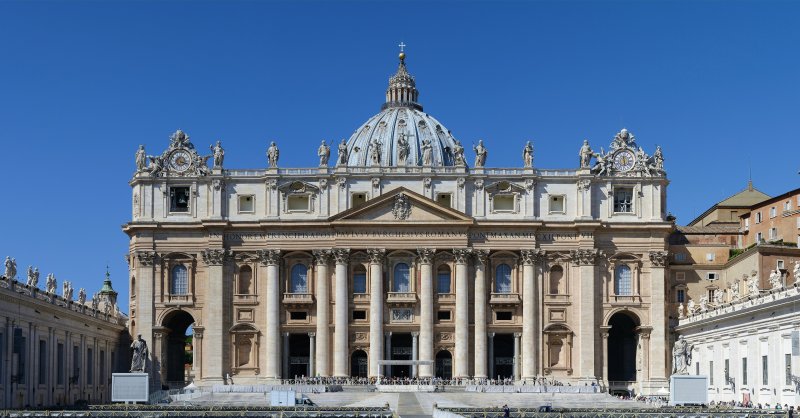 Alvesgaspar, CC BY-SABasilica0.1 km away
St. Peter's Basilica
Bernini’s baldachin. The bronze canopy over the papal altar: look for the bees of Urban VIII on its twisted columns.Vatican CityFree entry
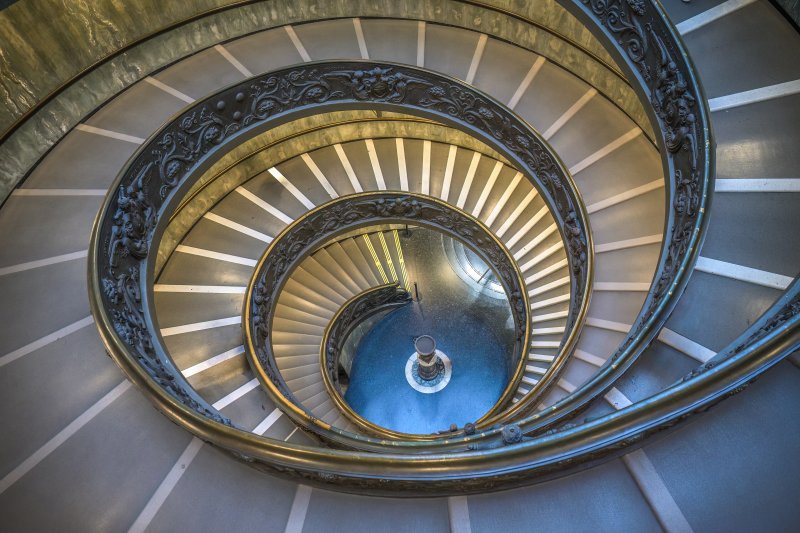 Wilfredor, CC0Museum0.4 km away
Vatican Museums
The Octagonal Court. Where Julius II placed his ancient statues early in the 16th century: the starting point of the whole collection.Vatican Cityfrom €20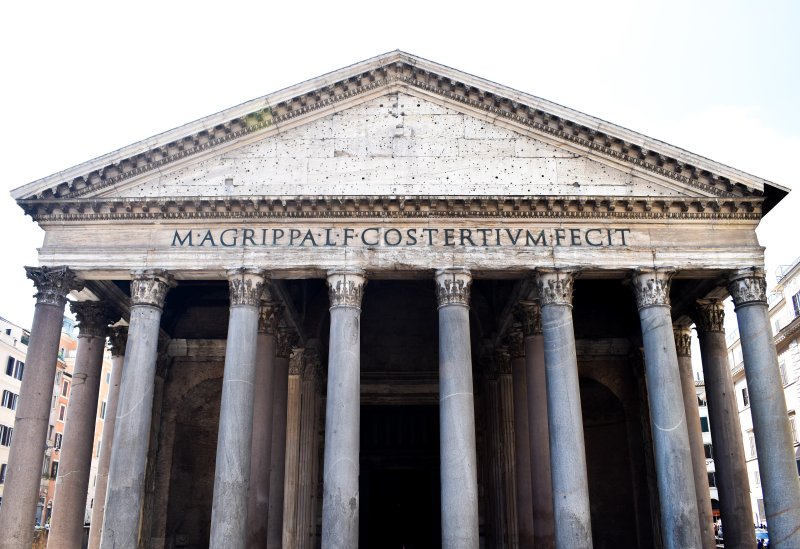 Julian Lupyan, CC0Landmark1.9 km away
Pantheon
The oculus. The open eye at the top of the dome has never been covered: rain lands on the floor and runs off through drains in the paving.Rome, Italyfrom €7
 Wilfredor, CC0Landmark2.4 km away
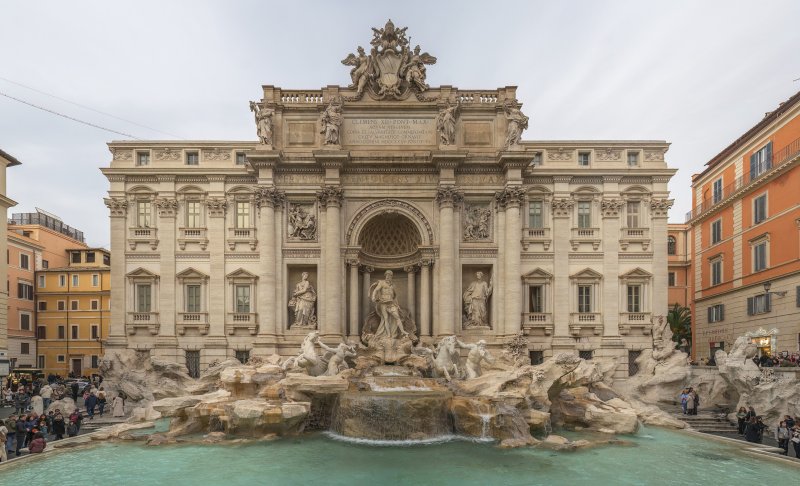
Trevi Fountain
Oceanus and his chariot. In the central niche, Pietro Bracci’s Oceanus drives a shell-shaped chariot pulled by a restive horse and a calm one.Rome, Italyfrom €2Sources
- museivaticani.va official 6 pages
- Wikidata
- Wikimedia Commons 2 pages
- Wikipedia 3 pages
Facts last checked on 15 October 2026. Prices and opening hours change, often in January: confirm on the official website before you go.